
Each year the Texas Conference of United Women in Faith honors one member with the Hazel Decker Award, but who was Hazel Decker?
Hazel Meeks Decker was born in Dubach, La., on Jan. 6, 1913, and died in Jacksonville on Oct. 4, 2002. By any measure, she was an extraordinary person. A devoted wife, mother, homemaker and a gourmet cook, she was also a global citizen, a social activist and a liberated woman long before that term became popular. She lived by a deep religious faith that not only allowed her to bear great suffering with courage and dignity, but also led her to a life of service to others. She had a passion for justice and frequently challenged the status quo power structure on behalf of racial minorities, women, victims of war and poverty, and those who were shunned or left out by society.
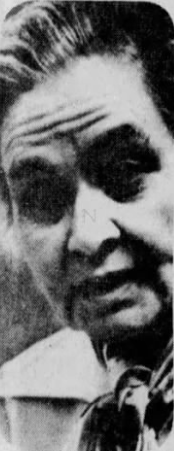
She was elegant, intelligent, articulate and compassionate, and she could be a potent force for those in need. Hazel Decker was active in civic affairs and was especially devoted to the United Methodist Church, in which she held offices from the local level to the national level. It was under her presidency that the Texas Annual Conference United Methodist Women organization (now known as United Women in Faith) was integrated. She chaired the national committee on women’s concerns, and played a major role in securing the ordination of women in the Methodist Church. She represented the Church at the 1971 Paris peace conference on Vietnam, and two years later went to South America to help in discussions about how the Church should deal with a number of the military governments in the region.
In 1975, the World Council of Churches sent her to Laos and Vietnam to review work there. That same year, she visited church installations in Afghanistan. She helped to draft and deliver the first Laity Address ever given at a United Methodist General Conference, and was named one of the hundred most outstanding women in the entire history of American Methodism. She was with the first group from the southern United States to enter mainland China after that country was opened to Americans, and also traveled in Russia, Estonia, Iran and Africa. Hazel Decker was a person of vision, courage and love.
In a world that treats truth with increasing disdain, she was a person of absolute integrity. In a world that has elevated selfishness and greed to the status of virtues, she was a person who put others first, and gave generously of her resources. In a world that follows the crowd, she dared to stand firmly for what she believed. She was consistently ahead of her time, and was an excellent example of what a human should be.
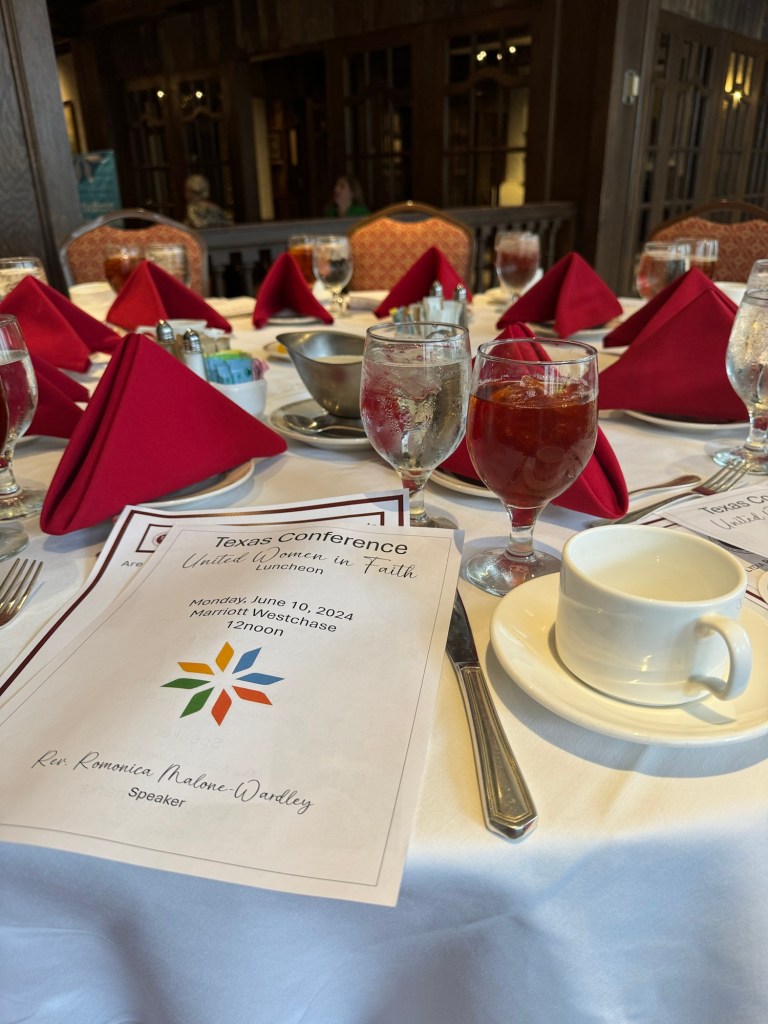
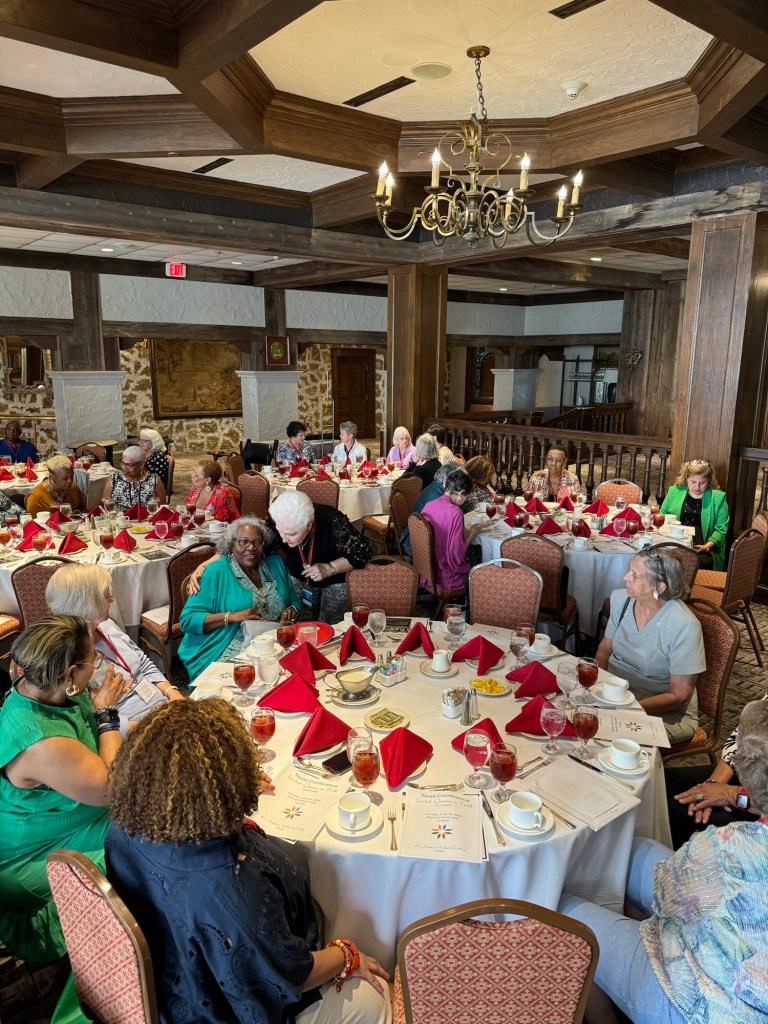
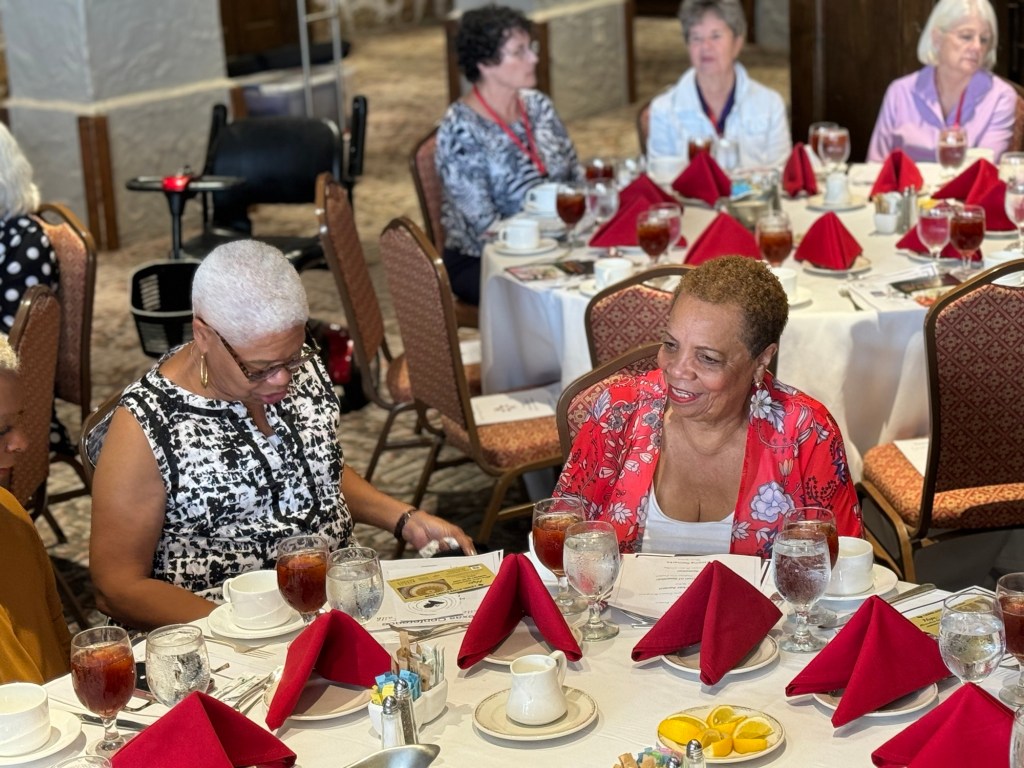





 Texas Conference